The Vacation Trap: Why Switching to an Adventure Mindset Changes Everything
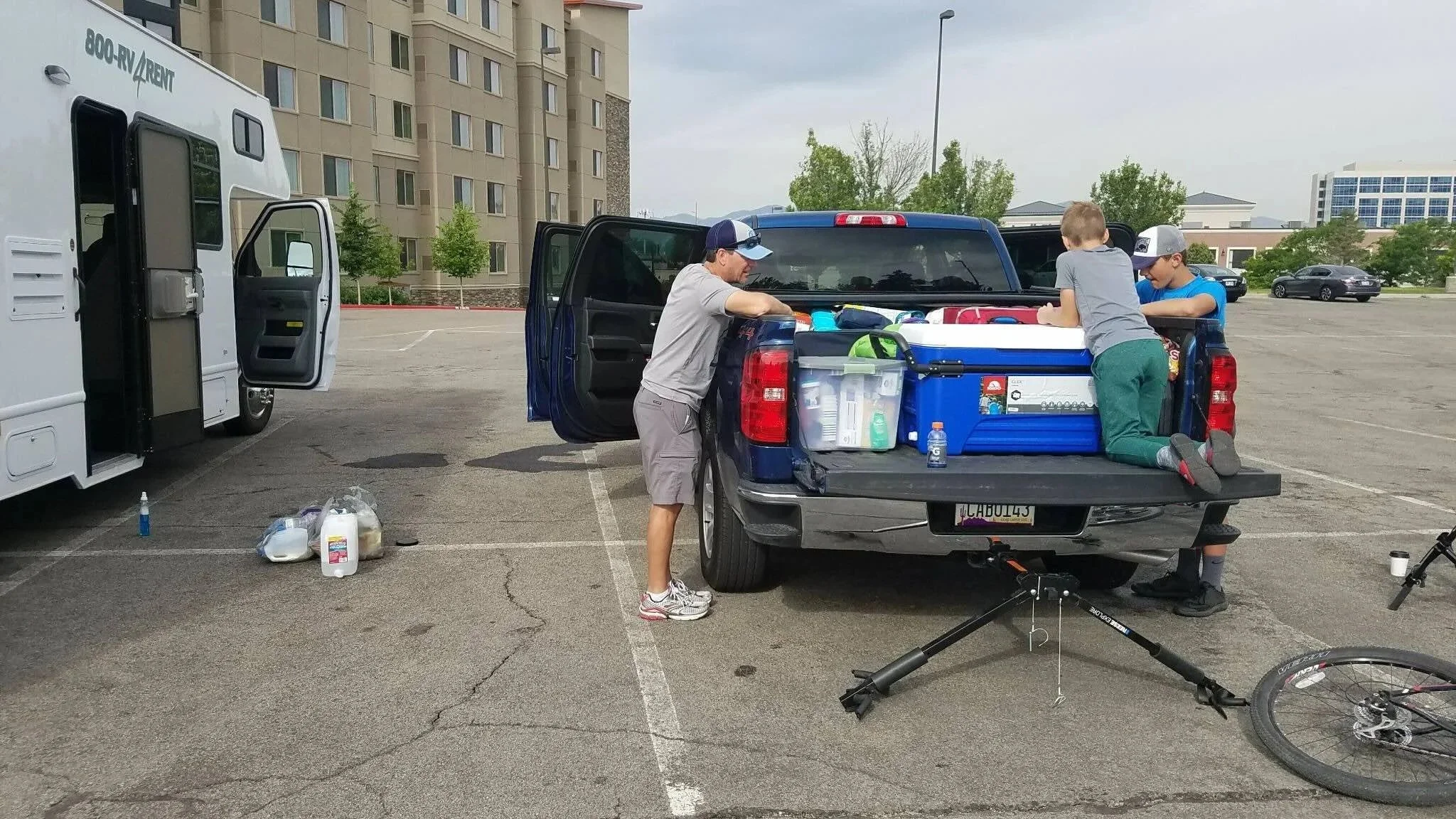
Ten years ago, we set out with Terry's extended family on a massive caravan of trucks and RVs, bound for Yellowstone National Park. In our minds, this was the ultimate vacation. I pictured serene bison sightings, stunning landscapes, and a good amount of family bonding.
Needless to say, the reality for me was a bit more... logistical.
The trip ended up being heavy on prep, cleanup, and the complex dance of group decision-making—at least for me. Ultimately, we all had fun and made memories that still make us laugh, but when we finally pulled back into our driveway, I was exhausted!
That trip spurred a conversation that changed how we view travel forever. Terry tends to take trips in stride and often doesn't sweat the small stuff (for good and for bad) and doesn't have to define a trip differently for it to feel better. For me, though, the Yellowstone trek was definitely more of an adventure than a vacation. I realized that if I had set that expectation ahead of time, it might have smoothed out the emotional chaos and the sheer fatigue I felt at the end.
The Real Reason Family Vacations Are So Stressful
Research backs up what so many of us feel: vacation planning is consistently rated the most stressful part of travel, especially for trips involving family. One national study found that the average person doesn't even start to relax until three days into their trip. And surveys show that 1 in 4 Americans hasn't truly felt relaxed on a vacation in more than two years.
When we call a trip a vacation, we subconsciously put it on a pedestal. If you are anything like me, you will have an internal voice that sounds like this: It will be a great experience for the family! We will all recharge! We will see amazing things! This is what we have been looking forward to for a year!
And that's where it starts to show up — the hope that every single moment will be perfectly experienced by everyone at the same time. For us, the reality hit hard somewhere in the middle of Utah when I had no knowledge of accidentally throwing our truck keys into the garbage at a rest stop bathroom.
Needless to say, after a frustrating delay for the ENTIRE caravan, a savvy niece solved the mystery. Thank goodness my in-laws like me… most of the time.
What Is an "Adventure Mindset" — and Why Does It Work?
The adventure mindset is a simple but powerful reframe: instead of approaching a trip as a vacation (where everything is supposed to go smoothly and feel restorative), you approach it as an adventure — where novelty, unpredictability, and even a little chaos are part of the experience, not a failure of it.
Novelty, hard work, solving problems that crop up, laundry day at a campsite, and cooking taco meat for 40 on an RV stovetop isn't "ruining" a vacation — it's just one of many memories in the overall adventure.
The emotional difference is significant. Adventures have permission to be messy, tiring, and surprising. Vacations, in our heads, do not.
What Counts as an Adventure?
You might be thinking: "Uh oh — we're going on an adventure, not a vacation this summer."
Here's the thing: most trips qualify. I like to include all of the following in the adventure category:
Trips to visit family
Traveling with kids and/or pets
Going anywhere on a plane or in a car
Traveling with extended family and/or friends
Traveling with your spouse
Traveling by yourself
Anything that involves leaving your regular routine
If it requires packing, planning, or navigating someone else's schedule, it's an adventure.
How to Reduce Vacation Stress: The Buffer Strategy
The trick to surviving an adventure with your sanity intact is all about the padding. Building buffers at home is the best way to protect your nervous system — and one of the most effective, underused strategies for reducing vacation stress.
Front End Buffer: Most of us work right up until the hour we leave. This starts the adventure in a state of depletion — already running on empty before the trip has even begun. Instead, try to pad the front end with one or two dedicated preparation days. Use this time to shop for snacks, double-check the RV hitch, check in to your flights, and — most importantly — mentally transition out of work mode.
Back End Buffer: If prep days just aren't possible, shoot for the back-end transition. Giving yourself a day or two at the end to handle post-adventure chores — laundry, groceries, unpacking — can make all the difference before you head back into your normal responsibilities.
If All Else Fails: Sometimes just knowing that the days or weeks off will involve a different kind of mental energy is enough to lower the pressure you put on yourself to arrive home feeling completely refreshed.
Logistics Aren't the Problem — They're the Point
Looking back on Yellowstone, I realize that the logistics and mental load weren't errors in the system — they were features of any trip planned and executed by actual humans with competing needs, full schedules, and misplaced keys.
As I look forward to more adventures, I do my best to embrace the potential for the unexpected. And I don't expect that I will do that perfectly, but I will work toward a better balance the best that I can.
Cheers to your summer adventures — whether you are traveling or staying in town!
Frequently Asked Questions
Why is family vacation so exhausting?
Family vacations involve high expectations, complex logistics, and little recovery time — a recipe for burnout. Research shows the average person doesn't start to relax until day three of a trip, and vacation stress often begins well before departure.
What is the adventure mindset for travel?
The adventure mindset is a reframe that treats travel as an inherently unpredictable, effort-full experience rather than a guaranteed escape. It lowers the emotional stakes of things going wrong — because in an adventure, challenges are expected, not failures.
How do I reduce stress before a family trip?
Building a front-end buffer — one or two preparation days before departure — is one of the most effective ways to reduce pre-trip stress. It allows time for practical tasks and gives your nervous system a chance to shift gears before the journey begins.
What is a post-vacation buffer day?
A back-end buffer is a day or two left open after returning from a trip, dedicated to chores, unpacking, and re-entry into regular life. It can significantly reduce the crash many people feel when transitioning from vacation back to work and responsibilities.

This Post Written By:
Roxane Thorstad, PsyD
Phone: (480) 656-0500 x 11
Email: roxane@journeyscounselingaz.com